My courses on the politics of migration and borders are attentive to the historical and political development of immigration and citizenship laws, the domestic and international dimensions of immigration and border enforcement, the interplay between governments, the administrative and technological dimensions of enforcement, the political development of borders, Indigenous sovereignty and the making of nation-state borders, the decades-long building up of enforcement capacities, and the political power of immigrants. Accordingly, I build syllabi that span levels of analysis, incorporate research that draws on various methodologies, and feature a range of theoretical frameworks from across and beyond political science.
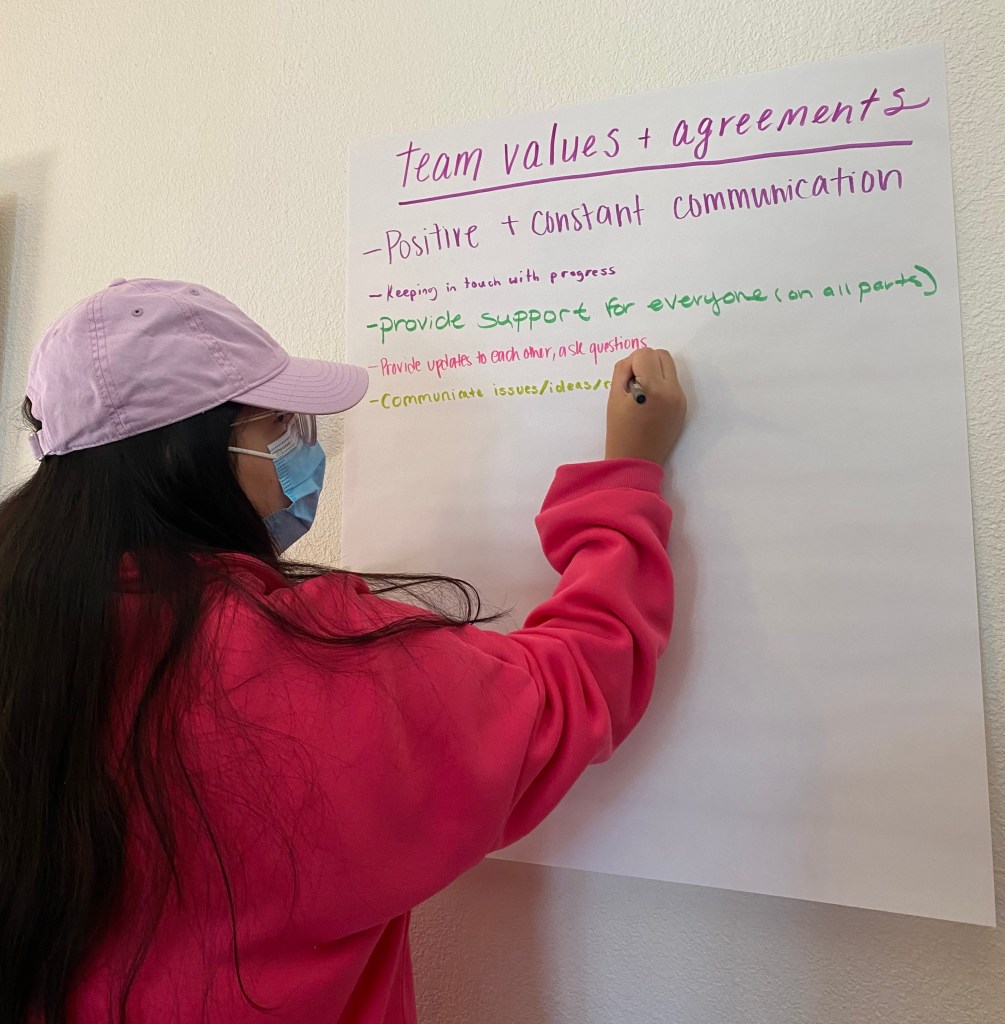
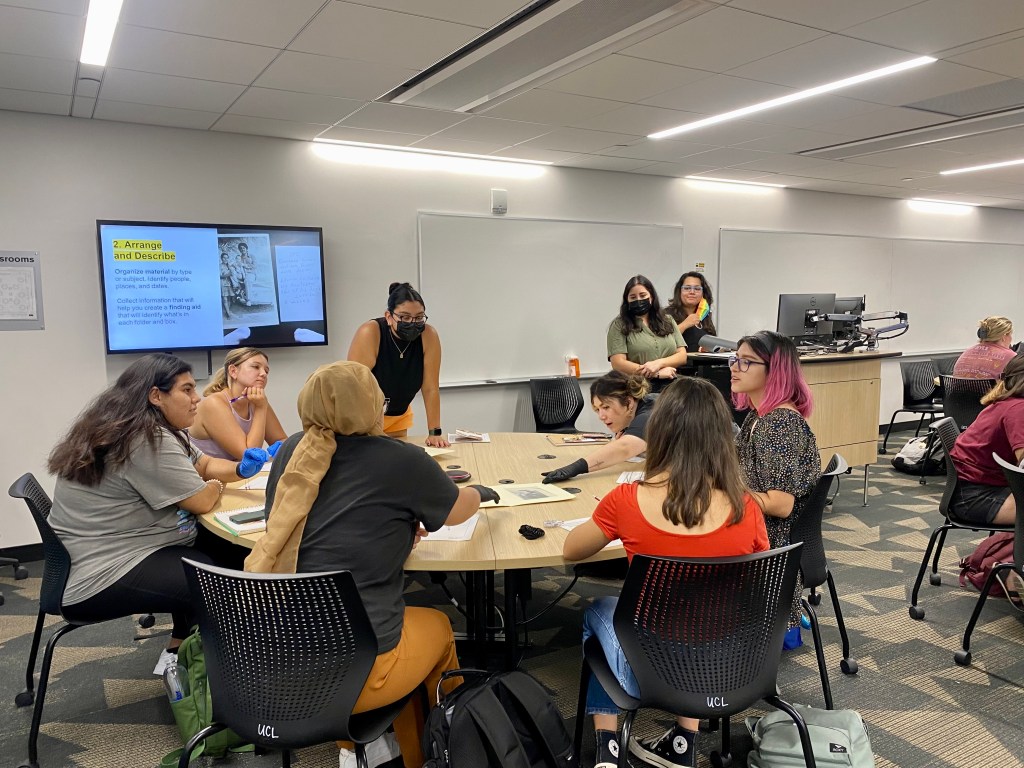
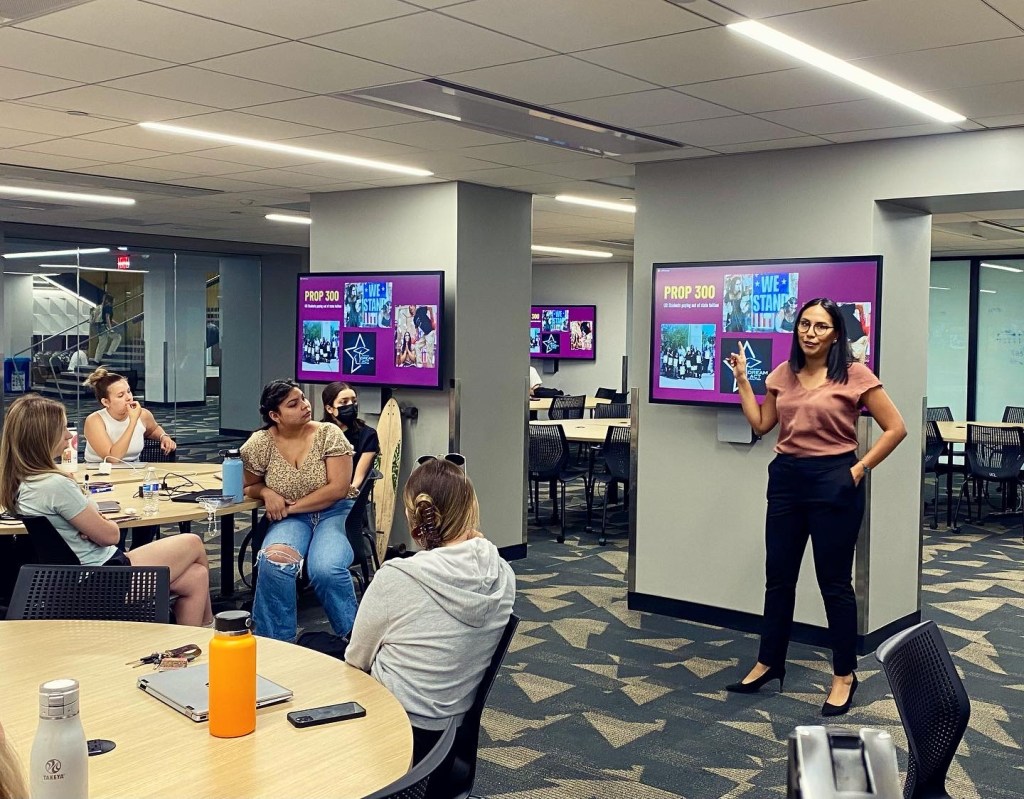
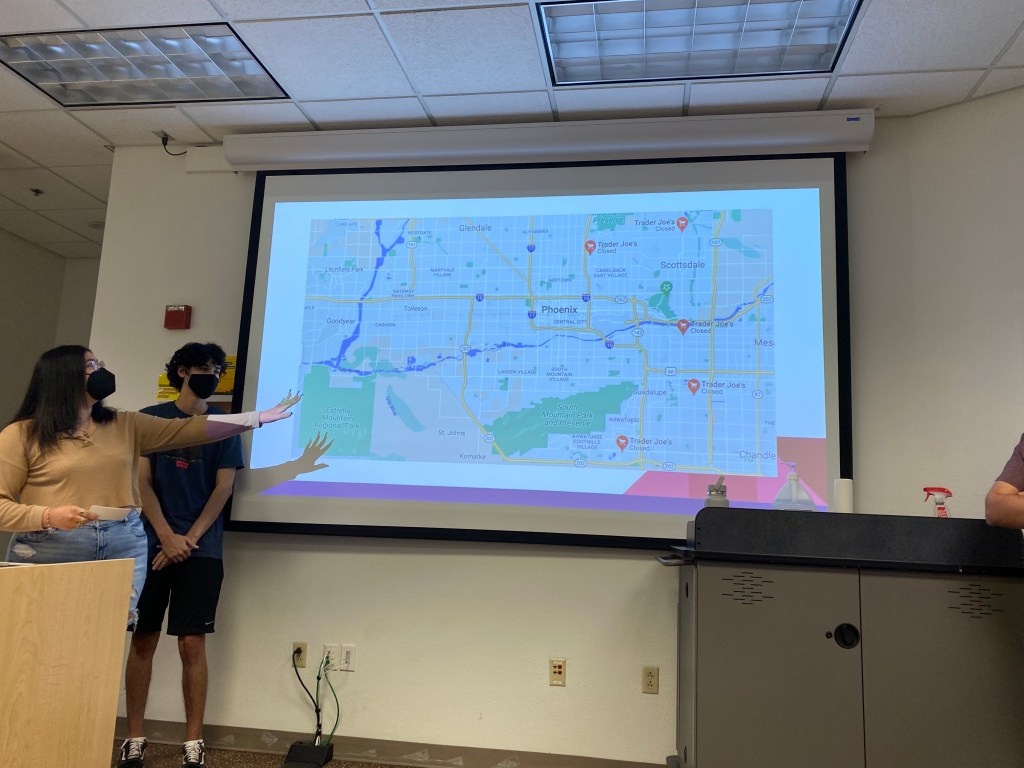
Drawing on my experiences with the Mellon Mays Undergraduate Fellowship and the Ralph Bunche Summer Institute, I know undergraduate students are capable of conducting rigorous research. Accordingly, my courses invest in undergraduate and graduate student research training. I build an intentional classroom with collaborative, incremental assignments that lead students to produce original, collaborative research projects, culminating in an in-class research conference. Additionally, I invite community-based experts into my classroom, including immigrant rights advocates and movement leaders. I also collaborate with scholars dedicated to power-sharing methodologies, such as the Community-Driven Archives Initiative.
You can download my graduate-level and undergraduate-level syllabi below.
Syllabus Bank:
>> Spring 2024: Undergrad Syllabus
- Week 1: Introduction
- Wee2 2: Externalization and Asylum
- Week 3: Binaries
- Week 4: Hierarchies
- Week 5: The Making of Borders
- Week 6: Data, Technology, and Surveillance
- Week 7: The President and the Congress
- Week 8: Deportation
- Week 9: Spring Break
- Week 10: Courts and Bureaucracy
- Week 11: States and Cities
- Week 12: Collective Action and Organizing
- Week 13: Families
- Week 14: In-Class Research Conference
- Week 15: In-Class Research Conference
- Week 16: The Future of US Immigration
You can download the syllabus here:
>> Fall 2022: Undergrad Syllabus
- Week 1: Introduction
- Week 2: The Migrant/Refugee Binary
- Week 3: Migration and the Making of Hierarchies
- Week 4: Empowered Executive Branch
- Week 5: Legislative Politics
- Week 6: Immigration Federalism and State Politics
- Week 7: Immigration Courts
- Week 8: Immigrant Youth Activism: Lessons from a Movement Leader
- Week 9: Mid-Semester Check-Ins
- Week 10: Organizations and Mass Mobilization
- Week 11: Immigration Enforcement
- Week 12: Immigrant Families
- Week 13: Public Opinion and Media
- Week 14: In-Class Research Conference
- Week 15: In-Class Research Conference
- Week 16: Lessons from Hope Border Institute
You can download the syllabus here:
>> Spring 2022: Grad Syllabus
- Week 1: Introduction
- Week 2: Theorizing Immigration Policy
- Week 3: Binaries, Hierarchies, and Hegemony
- Week 4: States, International Organizations, and Refugee Rights
- Week 5: Interstate Relations and Foreign Policy
- Week 6: Regulating Mobility
- Week 7: Presidential Immigration Powers
- Week 8: Border Making and Settler States
- Week 9: Spring Break
- Week 10: Externalization and the Shifting Border
- Week 11: Immigrant Admissions in a Comparative Perspective
- Week 12: Incomplete Citizenship and Legal Limbo
- Week 13: Immigrants, Electorates, and Political Parties
- Week 14: Immigrants, Political Participation, and Transnationalism
- Week 15: Immigrants and Collective Action
- Week 16: In-Class Research Presentations
You can download the syllabus here:
>> Fall 2021: Undergrad Syllabus
- Week 0: Introduction
- Week 1: Immigration Policymaking Powers
- Week 2: Politics of Immigration Policy
- Week 3: Legality, Illegality, and Liminal Legality
- Week 4: Immigration Federalism: States and Local Governments
- Week 5: Public Opinion
- Week 6: On-the-Ground Enforcement
- Week 7: Beyond Borders and Externalization
- Week 8: Fall Break
- Week 9: The Politics of Asylum
- Week 10: Immigrants as Political Actors
- Week 11: Immigrant Lives, Immigrant Families
- Week 12: In-Class Presentations
- Week 13: In-Class Presentations
You can download the syllabus here:
 Angie M. Bautista-Chavez